



Stretching from the rocky coastline of Maine to the farmland of Pennsylvania, the Northeastern United States is defined by landscapes that directly influence what ends up on the plate. Coastal waters, forested hills, and fertile valleys each contribute distinct ingredients, while nearby cities shape how they are prepared and served.
Across states like Maine, New Hampshire, Vermont, Massachusetts, Rhode Island, Connecticut, New York, New Jersey, and Pennsylvania, food reflects both geography and daily life. Seafood comes from the Atlantic, apples and maple from inland orchards and forests, while dairy, meat, and grains form the foundation of everyday cooking.
From the Atlantic coast: lobster, seafood, and Maine’s agricultural roots
The Northeast’s connection to the Atlantic is central to its food culture. Cold coastal waters create ideal conditions for seafood, and lobster has become one of the region’s most recognizable ingredients.
Lobster from Maine represents the Maine lobster industry and supports the global presence of this iconic product, highlighting its quality and origin.
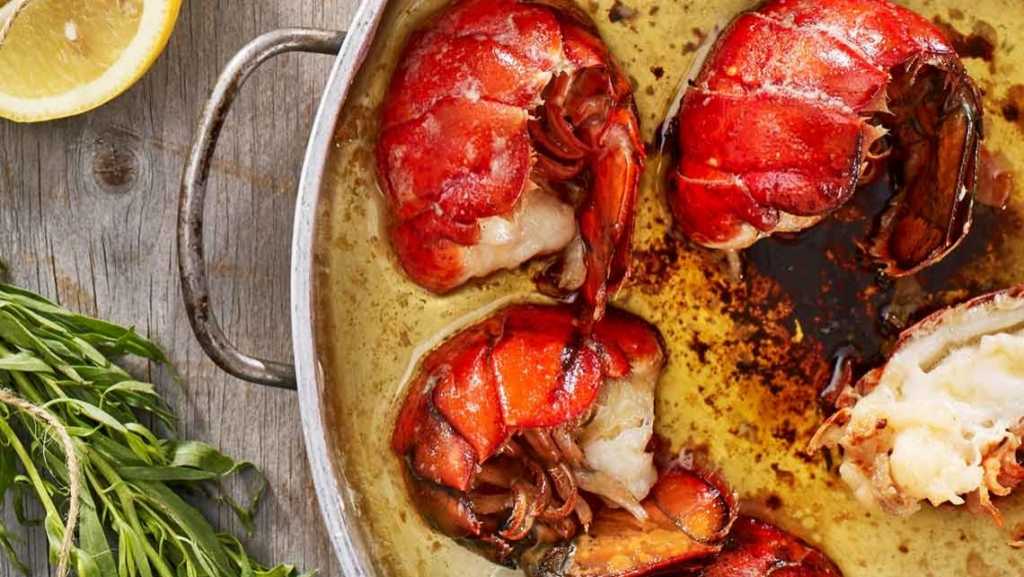
Butter Poached Maine Lobster Tails
Classic preparations keep the focus on the ingredient itself. Butter Poached Maine Lobster Tails highlight the natural richness of the meat, keeping it tender while allowing its flavor to stand on its own. As the lobster cooks gently in butter, it develops a delicate texture that pairs well with simple accompaniments.
Banh Mi-Style Maine Lobster Roll
At the same time, dishes like a Banh Mi-Style Maine Lobster Roll show how this traditional ingredient continues to evolve. The combination of lobster with fresh herbs, acidity, and crunch creates contrast, offering a more modern interpretation while still grounded in coastal traditions.

Beyond seafood, Maine is also one of the leading potato-producing states in the U.S. The cool climate and fertile soil create strong growing conditions, and potatoes often appear alongside seafood, rounding out simple, balanced meals built around local ingredients.
Inland flavors: apples, orchards, and the Hudson Valley
Moving inland, the landscape shifts toward orchards and farmland, and apples become a defining ingredient. States like New York and Pennsylvania have long histories of apple production. Both states benefit from the moderating influence of the Atlantic Coast and the Great Lakes, which temper temperature extremes and extend the growing season. New York’s Hudson Valley, in particular, has been orchard country for centuries: its rolling hillsides, rich glacial soils, and cool fall nights allow apples to develop their full depth of flavor and firm texture. The region’s sharp seasonal contrast between warm summers and crisp falls is exactly what apple trees need to thrive. Pennsylvania’s limestone-rich soils and well-drained slopes in the south-central part of the state, similarly create ideal conditions, producing fruit with balanced acidity and sweetness.
With beloved varieties such as Gala, Honeycrisp, Fuji, and Granny Smith growing across these landscapes, apples remain a versatile ingredient across many dishes, from crisp and tart to naturally sweet. USA Apples is the NPO that represents growers from five apple-producing states, including New York and Pennsylvania, helping them supply high-quality apples to markets around the world.
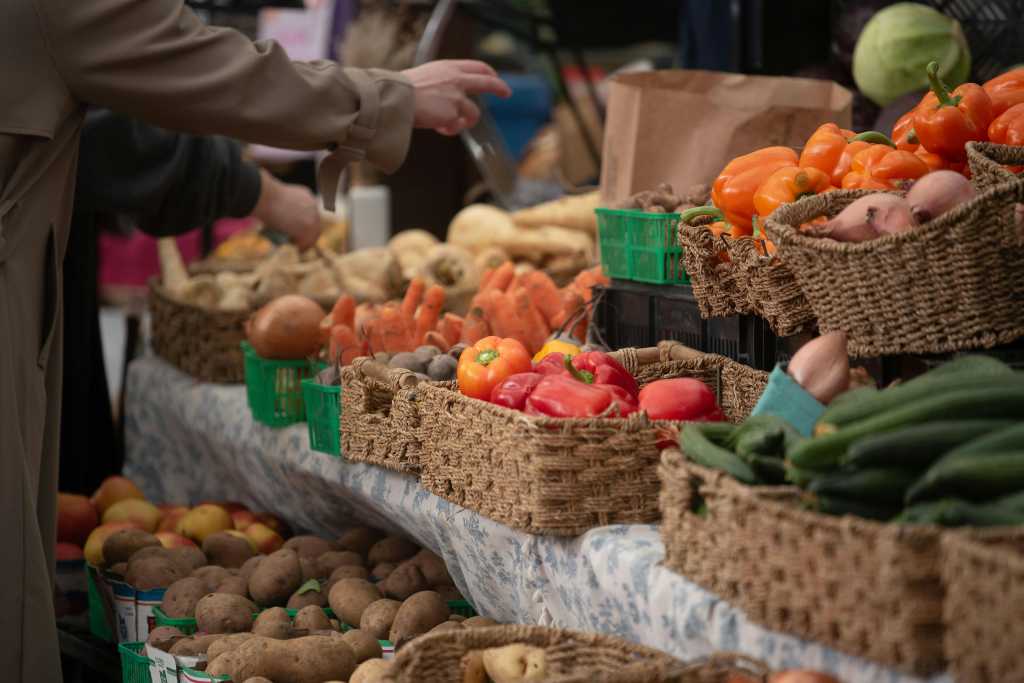
In regions like the Hudson Valley, this connection to agriculture is part of everyday life. Farmers markets bring together local producers, seasonal produce, and small-batch goods, creating a direct link between farms and kitchens. Apples, dairy products, and vegetables are sold by the people who grow them, shaping how ingredients are used at home.
The following video highlights the role of farmers across the U.S. Northeast and how their work continues to shape the region’s food culture.
In the northern part of the region, maple syrup plays a role beyond sweet dishes and is often used in savory cooking, particularly during colder months. Through Beef. It’s What’s For Dinner., the U.S. Meat Export Federation showcases how U.S. beef is used in both traditional and more contemporary dishes.
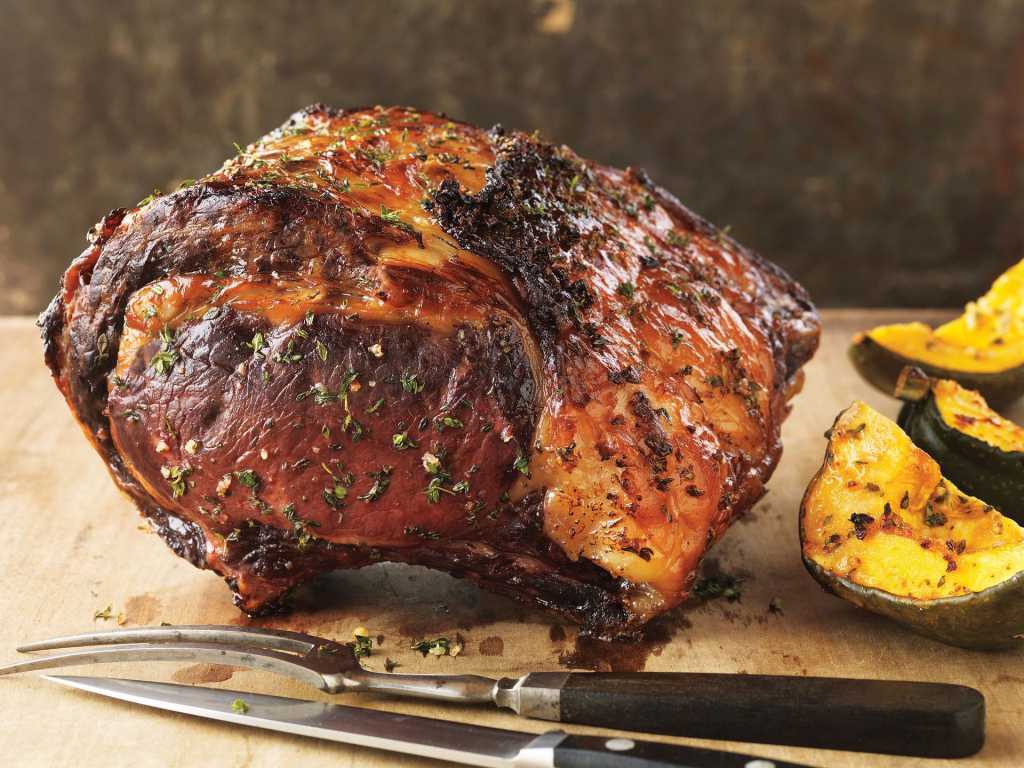
Maple-Glazed Rib Roast with Roasted Acorn Squash
A Maple-Glazed Rib Roast with Roasted Acorn Squash shows how maple syrup can balance rich, savory flavors. As the roast cooks, it develops a lightly caramelized crust while staying tender and juicy. At the same time, the squash softens and absorbs the maple glaze, creating a natural contrast between sweet and savory. It’s a dish often associated with colder seasons, when hearty, oven-roasted meals take center stage.
New York: wine, city culture, and everyday staples
Further south, these ingredients meet a different kind of food culture shaped by the pace and diversity of New York.
The New York Wine & Grape Foundation supports a well-established wine region, with vineyards in areas such as the Finger Lakes and Long Island. Conditions in these regions allow for a wide range of grape varieties, including Riesling, Chardonnay, and Cabernet Franc. These wines are known for their balance and structure, making them suitable for pairing with both seafood and richer dishes.
At the same time, New York City has shaped how people eat on a daily basis. Deli culture remains a key part of this, with bagels and cream cheese forming one of the most recognizable everyday combinations.
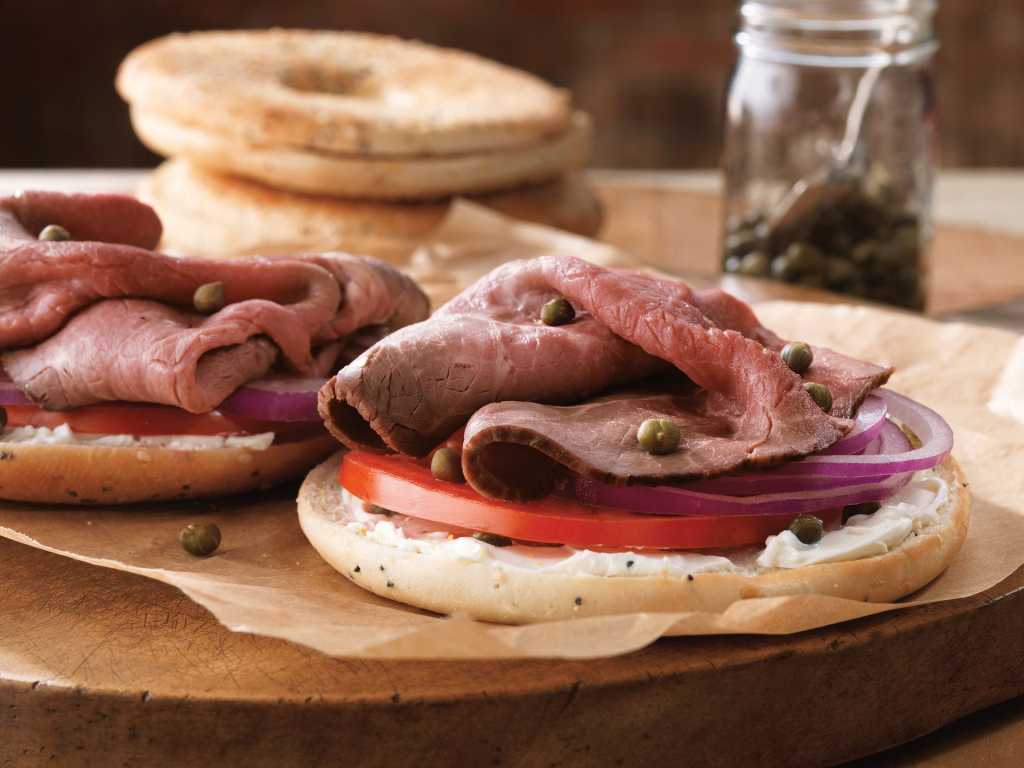
Beef and Cream Cheese Bagelwich
A Beef and Cream Cheese Bagelwich builds on this tradition, combining familiar flavors in a way that feels current while still rooted in classic deli culture. The addition of beef introduces a richer, savory element that contrasts with the smooth, creamy base.
Desserts rooted in tradition
No Northeast food story would be complete without cheesecake; a dessert closely tied to New York’s culinary identity. Known for its dense, creamy texture and simple ingredient base, it reflects the same approach seen across the region.
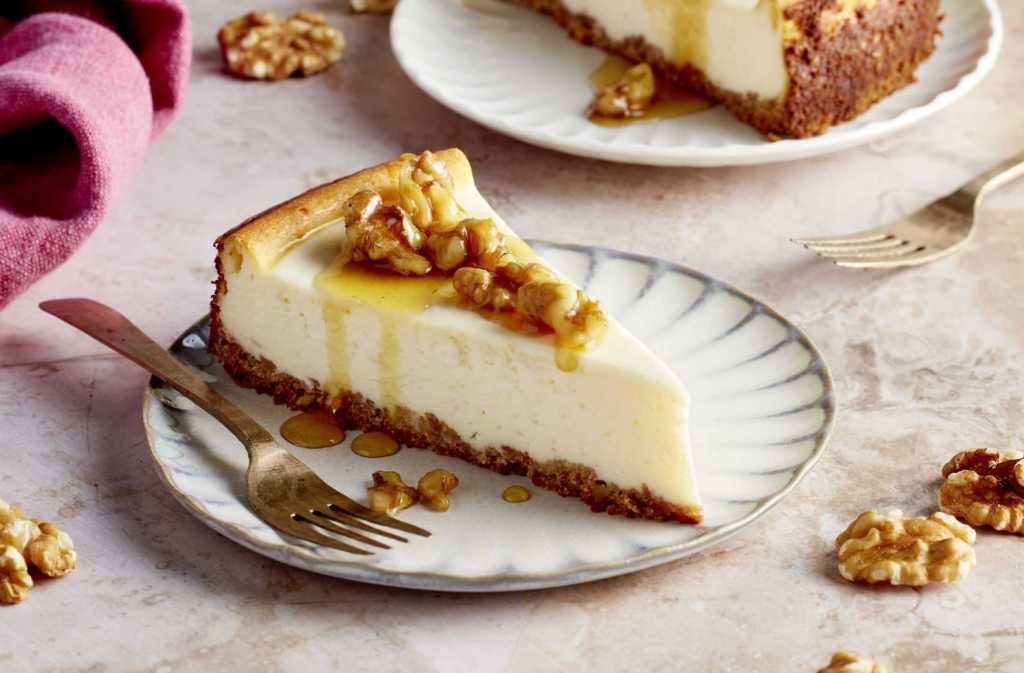
Walnut Cheesecake
A Walnut Cheesecake builds on the idea of a classic New York-style dessert, adding a slightly different texture and flavor. The use of California Walnuts bring a subtle bitterness and crunch that balances the richness of the filling, creating a version that feels familiar while adding a new layer.
A region shaped by its surroundings
From lobsters along the Atlantic coast to apples from inland orchards and wines from New York vineyards, the Northeast offers a range of flavors closely tied to where they come from.
Rather than following a single style, the region is defined by how its ingredients are used, whether from the ocean, the orchard, or the city. This connection between place and food continues to shape how dishes are prepared and enjoyed across the region.