

When the temperature drops and summer’s tomatoes are long gone, winter greens step into the spotlight. These cold-weather champions don’t just survive the chill, they thrive in it, developing sweeter, more complex flavors after the first frost kisses their leaves. Interestingly, Americans have David Fairchild, a USDA botanist, to thank for kale’s presence in the country. He brought it back from Croatia in the early 1900s during his travels as a plant explorer. The ironic twist? Fairchild himself disliked cabbages, including kale. Regardless of his personal taste, this adventurous botanist introduced over 200,000 plants to American agriculture, including crops like pistachios and soybeans that remain agricultural staples today.
What Are Winter Greens?
Winter greens are leafy vegetables that hit their peak during the coldest months, roughly from late fall through early spring. Unlike delicate summer greens, these hardy vegetables are built to withstand frost and shortened daylight—many actually taste better after cold exposure as the plant converts starches to sugars in an effort to protect its cells. The term includes brassicas like kale, collards, and mustard greens, as well as chard from the beet family, plus heartier chicories like escarole and radicchio. What they share is resilience, robust flavor, and leaves substantial enough to stand up to serious cooking.
Did you know? Did you know? Yuma, Arizona, in the southwestern U.S., is known as the “Winter Salad Bowl” because this region produces over 90% of the leafy greens (lettuce, kale, etc.) consumed in the country from November through March. Learn more about farmers in the western United States and their work here:
Prep and Cooking Basics
Prep essentials: Always wash winter greens thoroughly. Swish them in cold water, let the dirt settle, then lift the leaves out. Repeat until the water stays clear. Most greens have tough center ribs that won’t soften during cooking, so strip the leaves from the stems (save chard stems to cook separately—they’re delicious!). Roughly chop or tear into 2-3 inch pieces for most uses.
Cooking methods at a glance:
- Raw: Only tender varieties work, usually with help like massaging kale with oil and salt or soaking bitter chicories in ice water for 30 minutes. Use young leaves—mature ones are too tough.
- Sautéing (5-7 min): Quick cooking in hot fat wilts greens while maintaining texture. Add a splash of water to create steam. Your weeknight go-to.
- Blanching (2-4 min + ice bath): Locks in the colour and leaves the greens tender and mild in flavor. Removes bitterness and spiciness.
- Braising (20-60 min): Slow cooking in liquid creates silky greens with deep, sweet flavor. Bitter notes mellow completely.
- High-heat roasting/grilling (220°C+ for 15-20 min): Caramelizes sugars, creates charred edges, transforms bitter greens into something sweet and smoky.
Brassicas
The brassica family is the heavyweight champion of winter greens. These greens are sturdy and diverse, and they become surprisingly sweet once the cold weather hits. From tender arugula to slow-braised collards that melt in your mouth, this family has it all. Brassicas are packed with vitamins A, C, and K; calcium; iron; and fiber. More importantly, they’re incredibly satisfying: earthy, slightly peppery, and substantial enough to be the star of the plate.
Varieties:
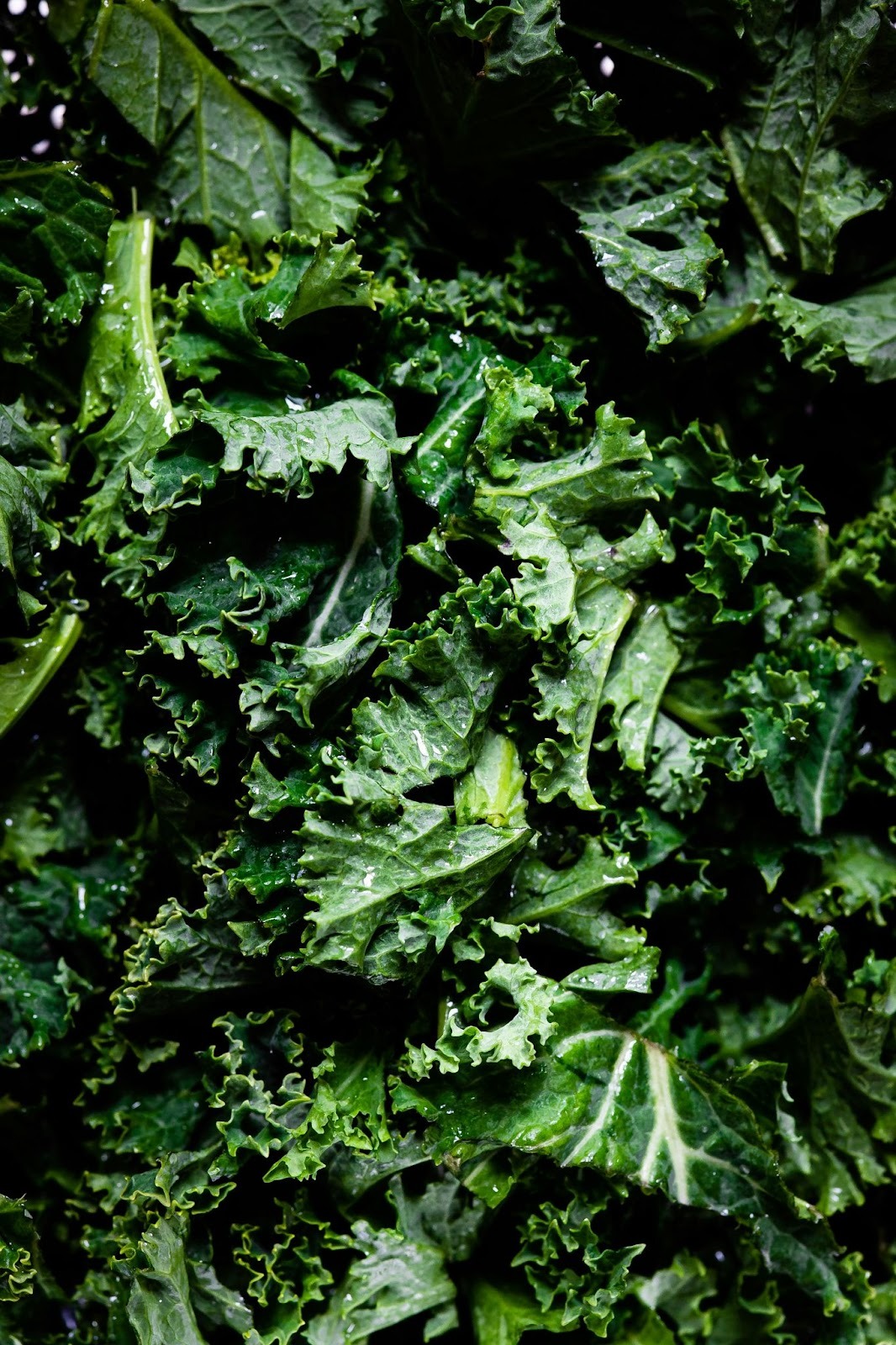
- Kale: Comes in three main types that each behave differently. Curly kale is robust with tight, frilly leaves—best for long cooking or baking into chips. Lacinato (also called dinosaur, Tuscan, or cavolo nero) has those distinctive bumpy, dark leaves and a sweeter flavor that works raw or cooked. Russian kale is the delicate one with oak-like leaves.
- Collard Greens: Large, smooth leaves with a gentle flavor that deepens beautifully with time. These are made for slow braising—45 minutes to an hour turns them silky with almost meaty richness. They are a New Year’s Day tradition in the American South, symbolizing prosperity.
- Mustard Greens: Varieties like mizuna, curly mustard, and southern broadleaf pack a peppery punch that mellows (but doesn’t disappear) when cooked. More common in the Southern US than Europe, but worth trying if you find them.
- Savoy Cabbage: Crinkled, tender leaves that are sweeter and more delicate than regular cabbage. Works beautifully raw in slaws or cooked until soft.
- Pak Choi: Crisp white stalks meet tender dark green leaves with a mild, slightly sweet flavor. A staple in Asian cooking that’s become a farmers market favorite.
- Brussels Sprouts: Tiny, dense cabbage buds that have a PR problem. Roast them until caramelized and their nutty sweetness will convert the skeptics.
Roasted Beet Risotto with Crispy Kale
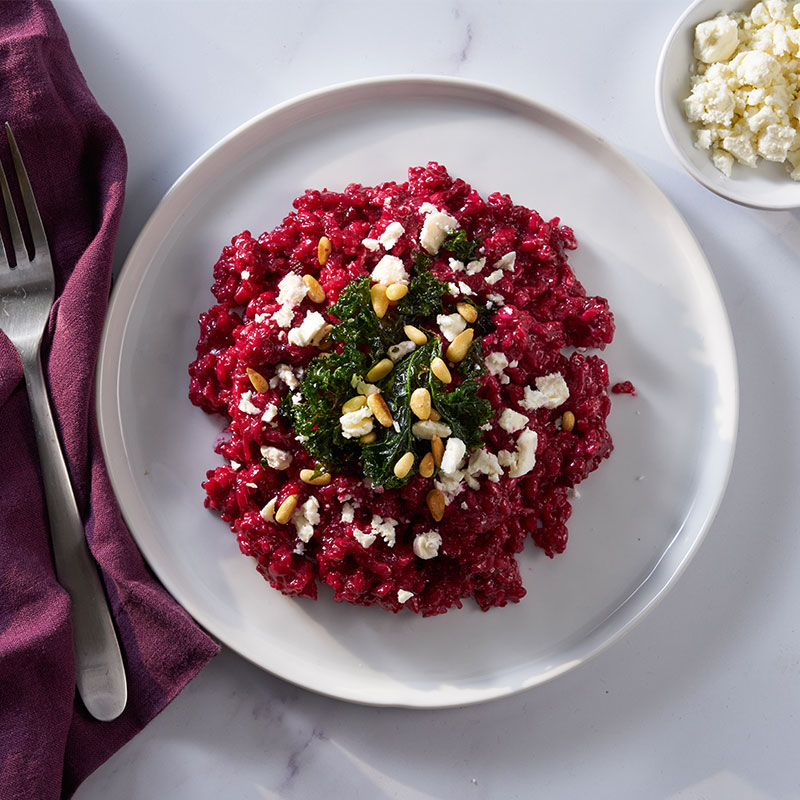
This vibrant dish showcases the versatility of kale by pairing its crisp, earthy crunch with creamy risotto made with US-grown Arborio Rice. The sweet, earthy flavor of the roasted beetroot purée provides a stunning magenta backdrop that complements the kale’s slightly bitter, robust flavor. Meanwhile, the kale’s delicate crispness contrasts beautifully with the risotto’s rich, velvety texture. Tangy feta and buttery, toasted pine nuts add layers of complexity, balancing the richness with brightness and nutty undertones.
Amaranthaceae
The beet family offers an earthy, mineral-rich flavour that becomes deeply satisfying if you give it a chance. These greens cook quickly, sometimes in just a couple of minutes, making them ideal for weeknight meals. Swiss chard is notable for its jewel-toned stems, which are almost too pretty to eat (but you should eat them, as they’re delicious!). All three are loaded with vitamins A, C and K, as well as iron, magnesium and potassium.
Varieties:
- Swiss Chard: A stunner with rainbow, red, or white stems and tender leaves. The stems and leaves cook at different speeds, so treat them separately for best results.
- Beet Greens: Don’t toss these when you buy fresh beets! They taste just like chard but with more tender stems.
- Spinach: The chameleon of winter greens. Winter varieties are hardier and more flavorful than their spring counterparts. Goes from massive pile to tiny portion when cooked, works raw in smoothies, and plays well with everything.
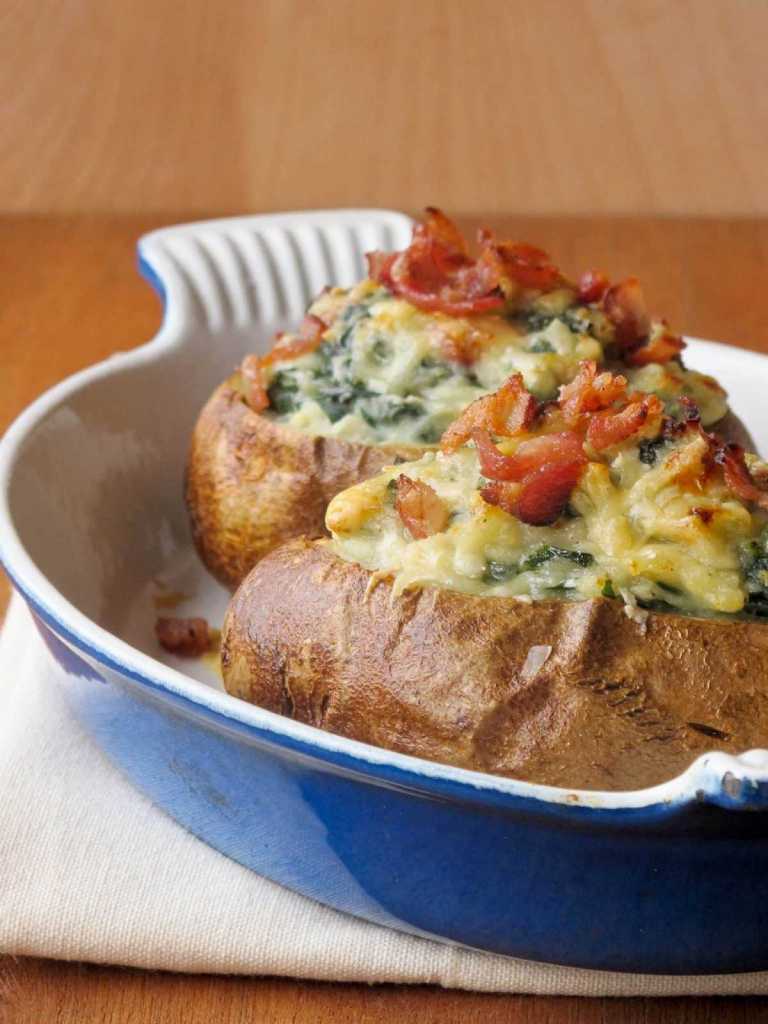
Double-Stuffed Baked Potatoes with Swiss Chard and Bacon
This comforting dish transforms American Russet Potatoes into a vehicle for showcasing chard’s earthy, mineral-forward flavor. The chard is wilted with garlic in bacon drippings, which mellows its slight bitterness while infusing it with smoky, savory depth. The robust texture of the chard holds up beautifully when mixed into creamy mashed potatoes with tangy buttermilk and nutty aged Gouda, adding green flecks and a pleasant chew throughout the fluffy filling.
Chicories
Here’s where things get interesting: chicories are all about bitterness, and that’s exactly why food lovers adore them. That bitter edge cuts through rich dishes like nothing else. Raw, they can be assertively bitter, but under high heat, they mellow into something sweet, caramelized, and faintly smoky. They’re packed with vitamins A, C, K, fiber, and folate, plus radicchio gets its gorgeous color from antioxidants.
Varieties:
- Radicchio: The burgundy beauty that looks like a small cabbage. Intensely bitter raw, utterly transformed when grilled or roasted into something sweet and complex.
- Escarole: Pale green and ruffled, with a tender, mild heart perfect for salads and tougher outer leaves that belong in Italian wedding soup.
- Endive: Those crisp, boat-shaped leaves are nature’s appetizer plates. Pleasantly bitter, works raw or braised.
- Frisée: Feathery and fancy, the darling of French bistro salads. Mild bitterness with that pale yellow center that looks like sunshine.
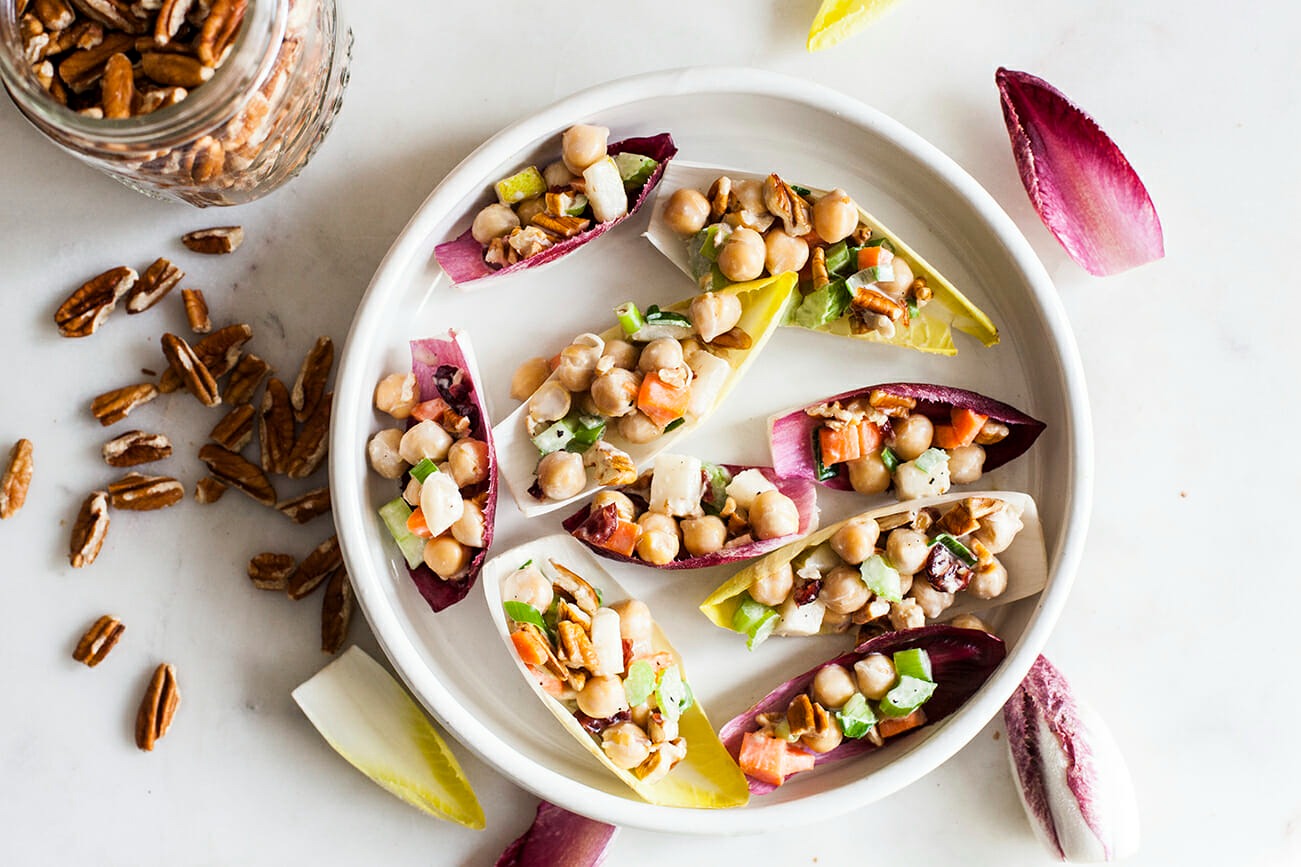
Creamy Chopped Chickpea Pecan Salad in Endive Cups
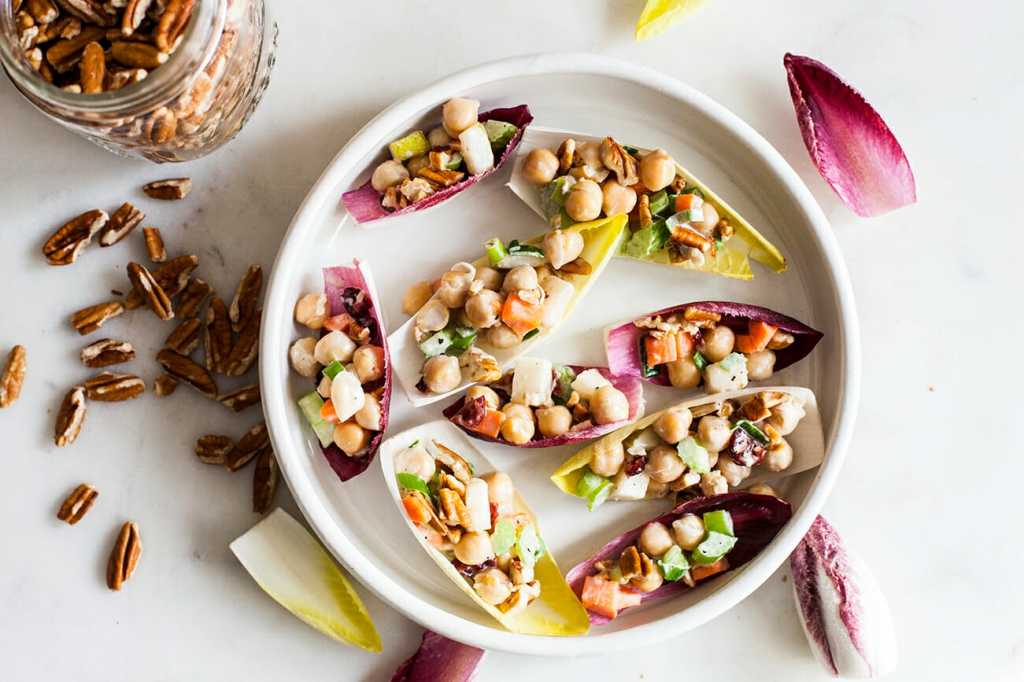
This refreshing salad uses endive’s natural shape and crisp texture as an edible vessel for a sweet-tangy chickpea filling studded with US-grown Pecans. The endive’s mild bitterness provides the perfect counterpoint to the creamy, tangy dressing made with apple cider vinegar and Dijon mustard, while its sturdy, boat-shaped leaves hold up beautifully to the chunky salad without wilting. Crunchy pecans, sweet apple, and plump currants create textural and flavor contrasts that play against endive’s clean, slightly bitter crunch.