

Mardi Gras, French for “Fat Tuesday,” is celebrated on the day before the Christian season of Lent begins. Long before it became known for parades and public festivities, the day marked a culinary turning point: a moment of indulgence before weeks of simplicity and restraint. Food has always been central to this transition. Historically, rich dishes were prepared to use up ingredients like butter, eggs, sugar, and meat before the fasting period began, shaping dishes that were filling, flavorful, and built to last.
Over time, this practical approach evolved into a distinctive food culture — one that values depth over speed and relies on techniques that allow flavors to develop gradually. The result is a cuisine closely tied to place, shaped as much by history as by the ingredients at hand.
A Tradition Shaped by History and Place
Mardi Gras has its roots in European pre-Lenten traditions and was brought to North America by French settlers in the late 17th century. In the United States, the celebration became most closely associated with Louisiana, where French, Spanish, African, and Caribbean influences shaped both the festivities and the food.
What began as a religious observance gradually grew into a broader cultural tradition, one centered on cooking for others and gathering around the table. Today, Mardi Gras is defined less by any single ritual than by the act of coming together — often over dishes prepared in large pots, passed from hand to hand, and enjoyed at a shared pace.
Cajun and Creole Cooking at the Heart of Mardi Gras
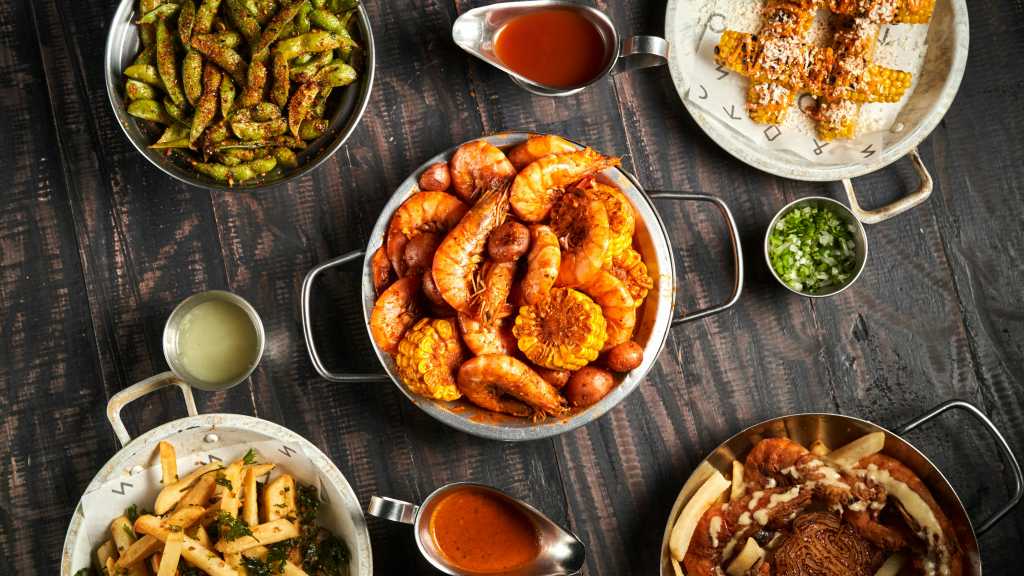
Many foods traditionally enjoyed during Mardi Gras are shaped by Cajun and Creole cooking. Cajun cuisine grew out of rural life and necessity, relying on accessible ingredients and methods that make the most of what is available. Dishes often begin with onions, celery, and bell peppers, combined with garlic and spices such as paprika, cayenne, black pepper, thyme, and bay leaf. These elements are introduced gradually and simmered over time, allowing each layer of flavor to settle into the dish.
Creole cooking, influenced by a wider range of global traditions, often incorporates tomatoes and a broader mix of herbs and spices, adding depth and refinement. Together, these approaches form the culinary foundation of Mardi Gras, resulting in food that is meant to be shared, enjoyed slowly, and prepared with care.
From the Pot to the Table
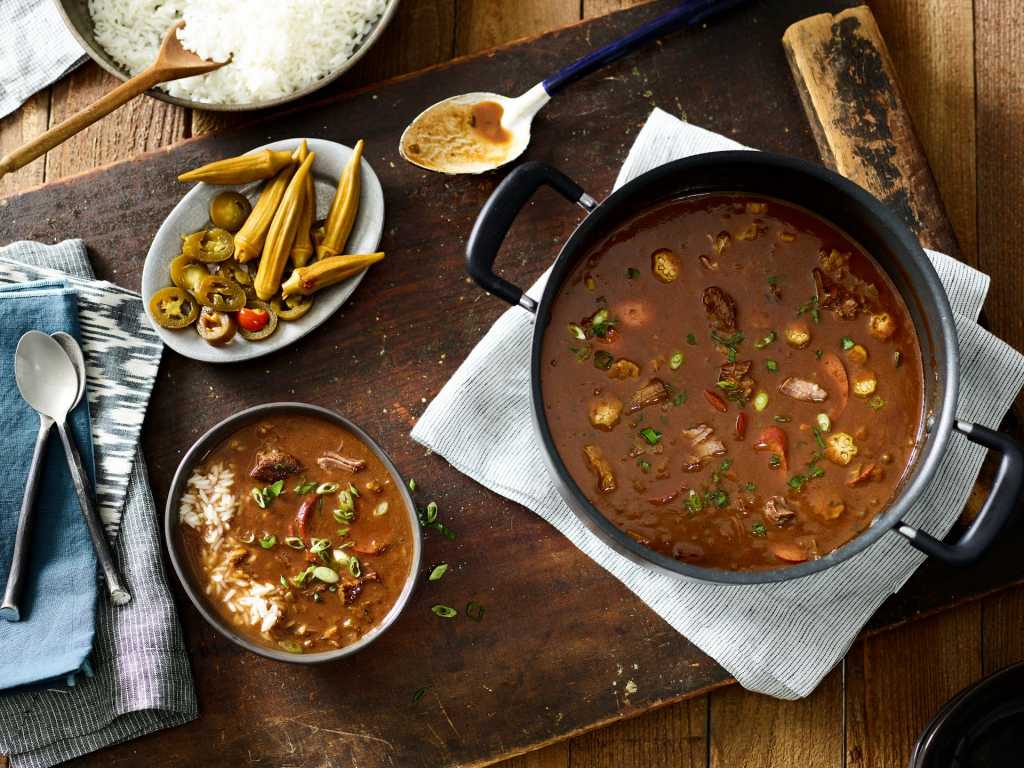
Classic Cajun Beef Gumbo
Rice-based dishes play a central role in Louisiana cooking, particularly in recipes that build depth of flavor through slow cooking. Made with U.S. Beef, this Classic Cajun Beef Gumbo develops richness over time as it simmers — a defining expression of Cajun technique and one of the dishes most closely associated with Mardi Gras. Learn more about how to prepare classic Gumbo in this video.
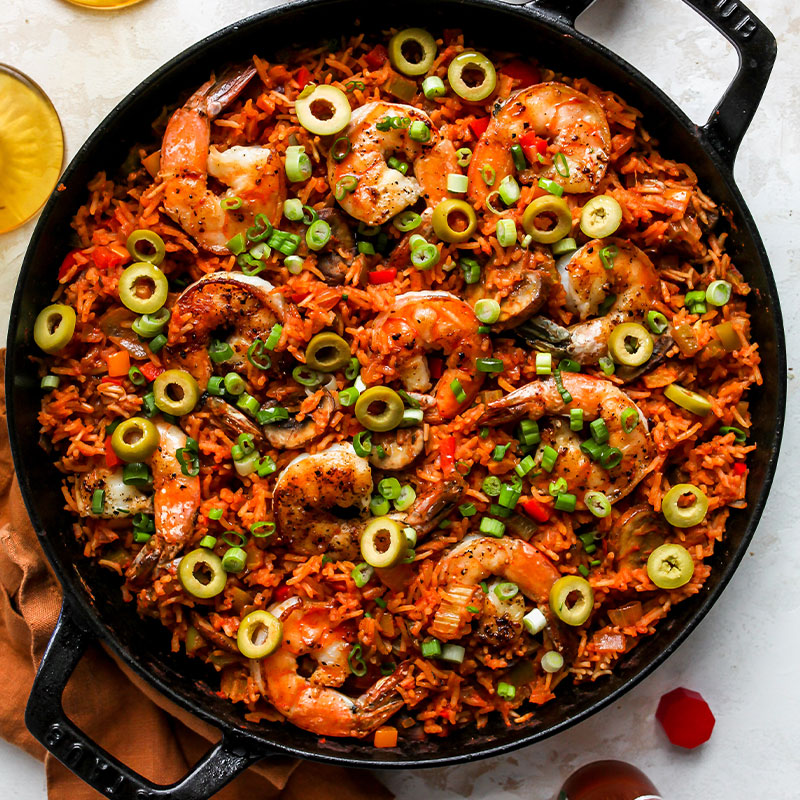
Shrimp Jambalaya
Seafood holds an equally important place in Louisiana cuisine, especially in dishes influenced by the Gulf Coast. Shrimp Jambalaya, prepared with U.S.-grown Long Grain Rice, brings together shrimp, spices, and aromatics in a single pot. As the rice absorbs seasoning and stock, the dish takes on a layered, savory character, balancing heat and substance without relying on complexity.
Cooking with What’s on Hand
In the days leading up to Lent, cooking often relied on ingredients that were already on hand — dried beans, rice, spices, and other staples that could be transformed through seasoning and time.
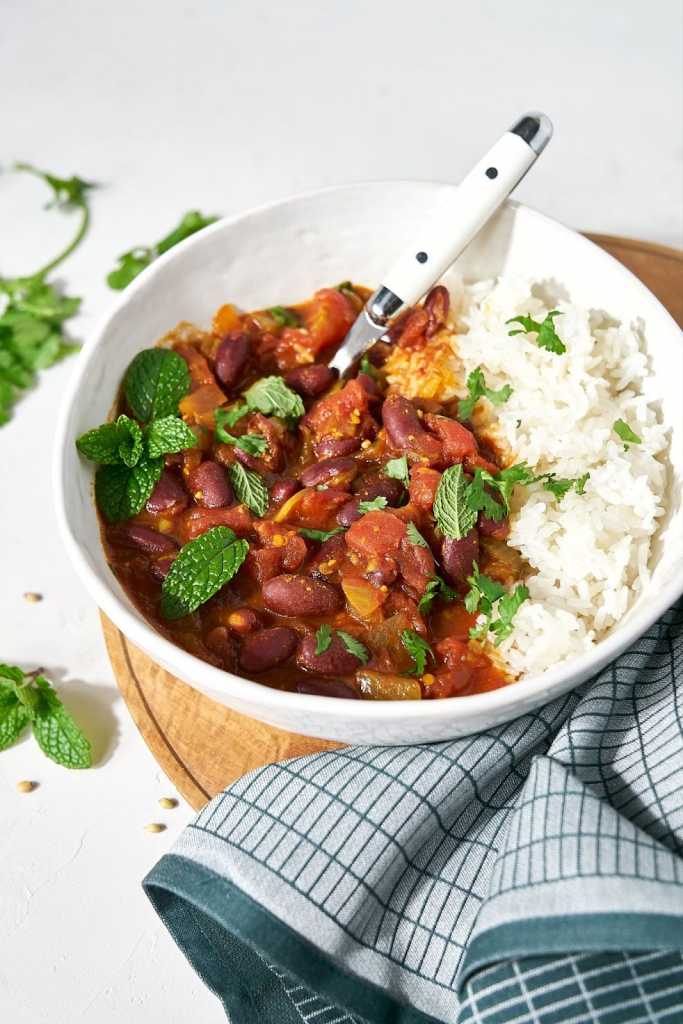
Pantry Staple Spiced Kidney Bean Curry
Beans have long been a staple in Southern and Creole-influenced cooking, valued for their ability to absorb spice and develop flavor over time. This spiced kidney bean curry, made with U.S. Pulses, draws on similar principles, relying on pantry ingredients and gradual cooking to build depth. While not a traditional Mardi Gras dish, it reflects the same approach to seasoning and patience found across Cajun- and Creole-inspired kitchens.
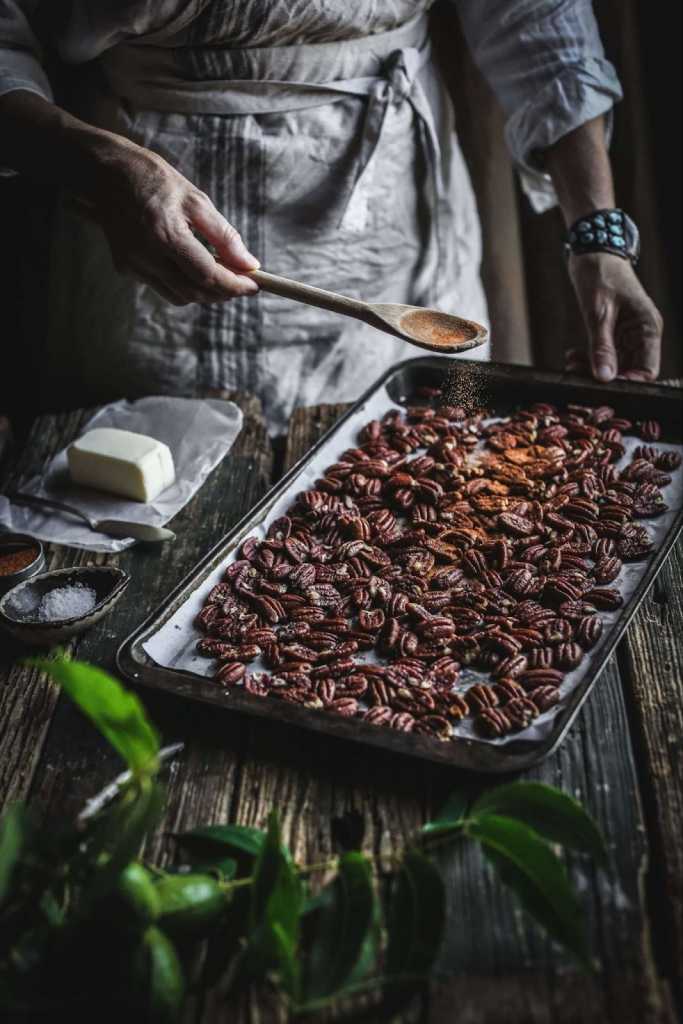
Spicy Cajun Roasted Butter Pecans
Smaller bites also have their place during Mardi Gras celebrations, especially foods that can be passed around the table. Seasoned with the same attention to flavor as larger dishes, Spicy Cajun Roasted Butter Pecans, made with American Pecans, are baked until fragrant, adding warmth and crunch to the occasion.
A Sweet Finish
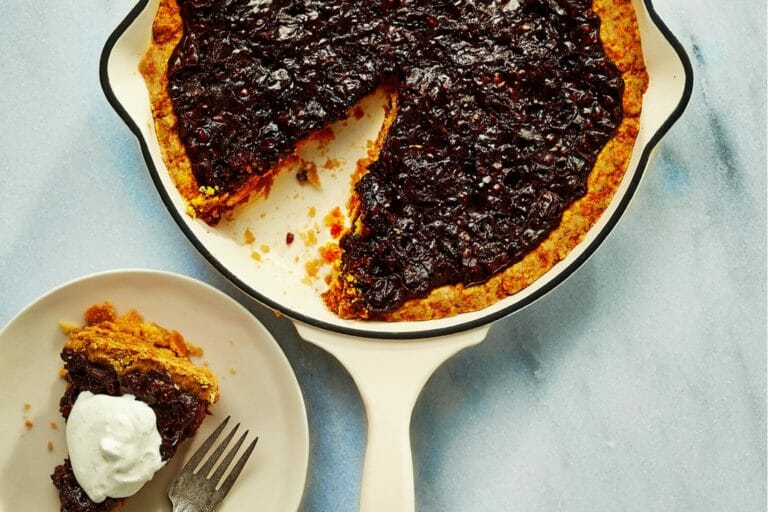
Chocolate Pecan Pie
Desserts mark the final note of Mardi Gras cooking, reflecting the indulgence traditionally associated with the days before Lent. Chocolate Pecan Pie, made with American Pecans, is firmly rooted in Southern baking. Rich without excess, it relies on depth of flavor and texture rather than decoration, providing a familiar and satisfying close to the meal.
While Mardi Gras is often associated with lively street celebrations, much of its food culture is rooted in home kitchens, where flavor develops through careful preparation over time. Simmered, stewed, or baked, Mardi Gras cooking reflects a tradition shaped by patience — food that rewards attention and lingers well beyond the first bite.