

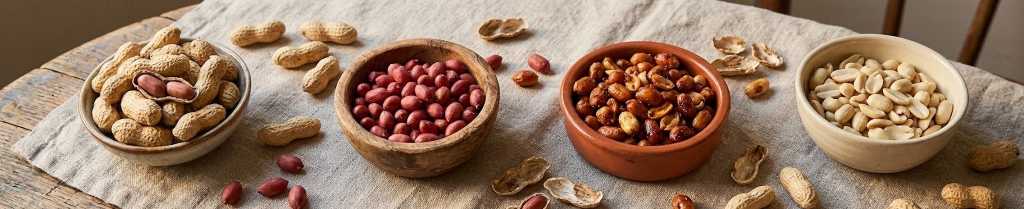
Despite carrying the word “nut” right in its name, the peanut isn’t actually one, at least not in the botanical sense. It’s a legume, growing underground in pods much like beans or lentils rather than on a tree. It’s less a matter of scientific dispute than everyday habit: cooks and shoppers call it a nut because it acts like one on a plate, while botanists file it under legumes because that’s how it grows in the ground. The peanut has quietly become one of the most essential ingredients in American cooking and kitchens everywhere, from the school-lunch staple of peanut butter and jelly to the crunchy finish on a bowl of noodles halfway around the world.
Much like apples come in varieties from Gala to Granny Smith, the U.S. grows several types of peanuts too, the most common being Runner, the variety behind nearly three-quarters of the crop and the standard base for peanut butter thanks to its mild, consistent flavor, alongside smaller pockets of Virginia (larger, bolder-tasting kernels favored for in-shell roasting), Spanish (smaller, reddish-skinned, and slightly richer thanks to a higher oil content), and Valencia peanuts (sweeter and often boiled as a Southern snack). Unless you happen to be a peanut connoisseur, odds are good that any bag labeled “peanuts” will do just fine. Most of it comes out of the Southeast, with Georgia, the self-proclaimed “Peanut State,” leading the way, followed by Alabama, Florida, and Texas, alongside smaller pockets in North Carolina and Virginia. Harvest typically starts in late August and stretches into October, the rest of the country starts eyeing sweaters while the Southeast is still deep in late-summer heat. More on the crop and its growers can be found at the American Peanut Council.
With that many ways to grow a peanut, it’s no surprise there are just as many ways to eat one. Nobody realistically cooks multiple different peanut dishes in one day, though, and with grocery prices being what they are, nobody really wants to either. Think of this less as a meal plan and more as a lineup: whatever the craving, there’s a peanut fix for it, whether that’s a rushed breakfast, a midday slump, or a proper Friday-night dinner. Make a batch when you have the time, then just reach for it whenever the moment hits.
Sweet, Savory, and Ready To Go
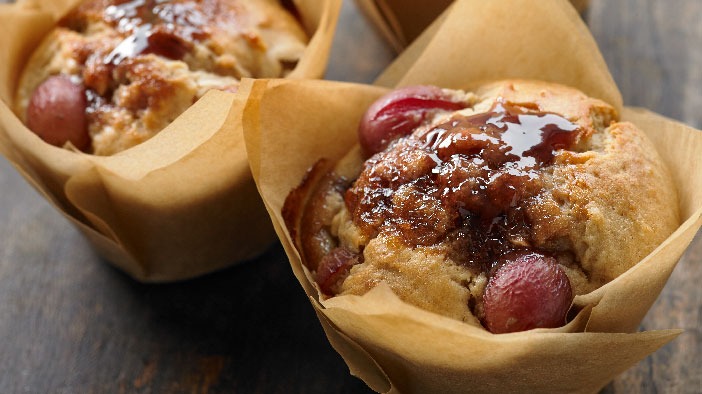
Peanut butter alone is already a study in contrasts: sweet, salty, creamy, and, if the jar allows for it, satisfyingly crunchy all at once. It gets along with almost any counterpart, whether that’s a banana, some red berries, or a square of dark, slightly bitter chocolate. Something about that sweet-salty balance clearly struck a chord long before anyone gave it a name, and pairing it with jelly turned out to be an especially good match. Credit for that combination usually goes to Julia Davis Chandler, who published the first known peanut butter and jelly sandwich recipe back in 1901 as a fancy tea sandwich for the Boston Cooking School Magazine. It wouldn’t become the lunchbox staple it is today until decades later, when peanut butter’s low cost made it a reliable source of protein during the Great Depression and, later, WWII rationing. For a small twist on the classic, check out the Peanut Butter and Grape Muffins recipe, made with California Grapes: ; Fold peanut butter and fresh grapes right into the batter and finish with a dab of grape jelly on top, turning the sandwich into a muffin that travels even better.
As much as the classics deserve their spot, it’s worth branching out every once in a while, and a savory counterpart proves that point nicely. Where peanut butter and jelly is the go-to comfort food in the U.S., onigiri holds a similarly beloved spot in Japan, sold by the millions daily at convenience stores and just as often made fresh at home.
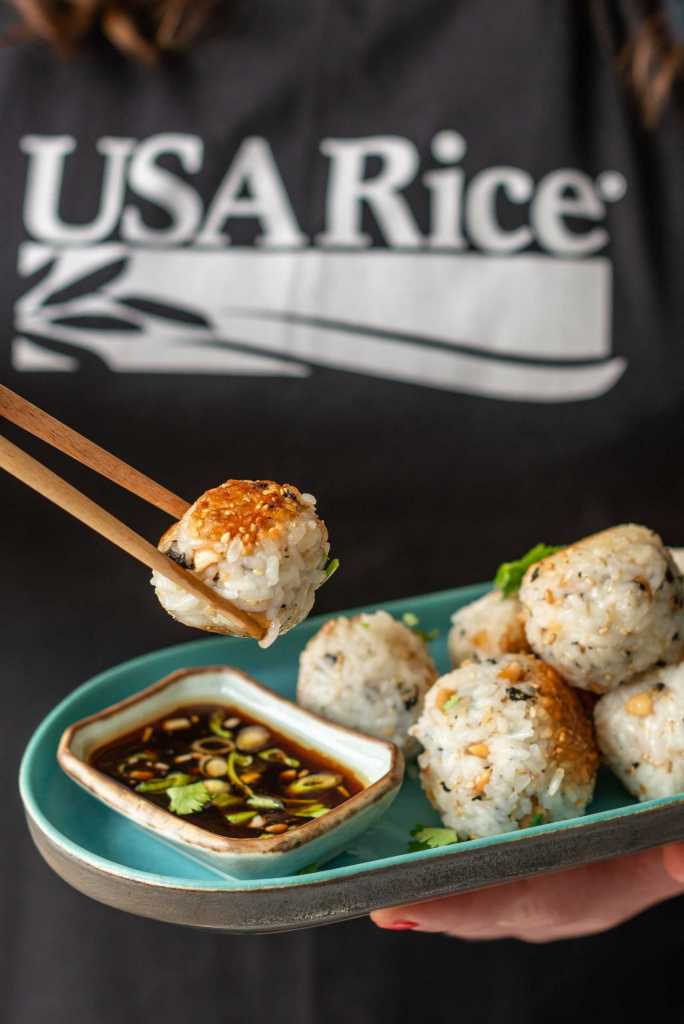
Onigiri – Japanese Rice Balls with Peanuts builtd on a base of seasoned U.S. Rice, filled with peanut butter, roasted peanuts, and soy sauce, then pan-fried until crisp. Served alongside a tangy soy dipping sauce, they land somewhere between creamy, crunchy, and deeply umami, in the best possible way. They keep in the fridge for up to five days, so a Sunday batch covers rushed mornings, lunchbox snacks, and even a midnight fridge raid, tasting just as good cold as they do warm.
Juicy Refreshment
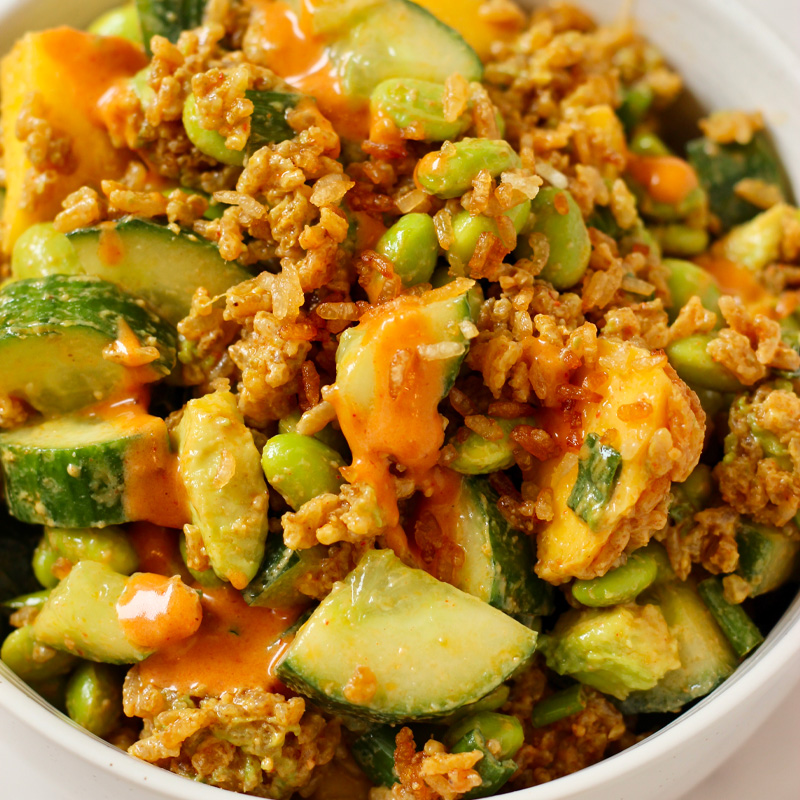
Once the rice balls are handled, it’s worth staying with rice for the midday slump. While Europe is already eyeing pumpkins and candles, harvest season is still in full swing back where the peanuts grow. Either way, a bright, crunchy salad hits the spot: the Peanut Mango Crispy Rice Salad, courtesy of Cheerful Choices in partnership with U.S. Rice, pairs crispy rice with soft, exotic mango, bringing a little vacation feeling straight to your desk. The mango brings the sweetness and freshness the dish needs to feel like a proper reset, so pair it with sparkling water or coconut water to keep that mango-peanut flavor from getting washed out.
Portable and Straight from the Jar
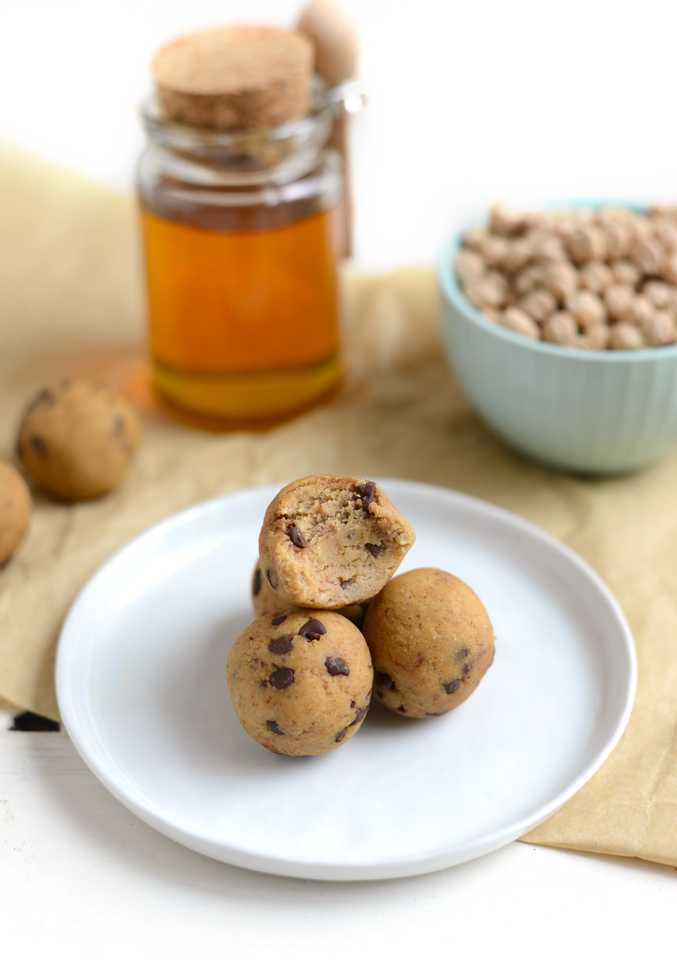
Even the best salad can’t out-argue a proper craving. Sneaking a bit of raw cookie dough from the bowl was a treat some were lucky enough to grow up with, and honestly, adults are still allowed to enjoy it, too. Peanut Butter Chickpea Energy Balls bring that same flavor to the table in a different form, swapping the flour for blended U.S. chickpeas, then loading up on peanut butter, chocolate chips, honey, and a touch of vanilla. The neutral chickpeas disappear completely into the mix, leaving just the treat, and the combination of fat, protein, and fiber makes for the kind of lasting, satisfying energy that actually keeps hunger at bay rather than just papering over it. Like the onigiri, one batch keeps for days, so you can just grab one whenever the craving hits instead of making or buying something new each time
That’s a lot of ways to eat a peanut already, but it’s worth taking a closer look at what they’re actually doing, both nutritionally and beyond the plate. Beyond the protein and fiber already mentioned, peanuts are a genuinely solid source of everyday micronutrients like magnesium (good for muscle and nerve function), potassium (helps regulate fluid balance and heart function), folate (key for cell growth), and vitamin E (an antioxidant that helps protect cells). They also come with relatively few carbs for how much protein and healthy fat they pack, which is part of why they don’t cause the same quick blood sugar spike (and crash) that carb-heavy snacks often do. A growing number of U.S. peanut farmers is also part of the Sustainable U.S. Peanuts initiative. More information is available here: https://sustainableuspeanuts.org/
Roasted: Meet and Meat
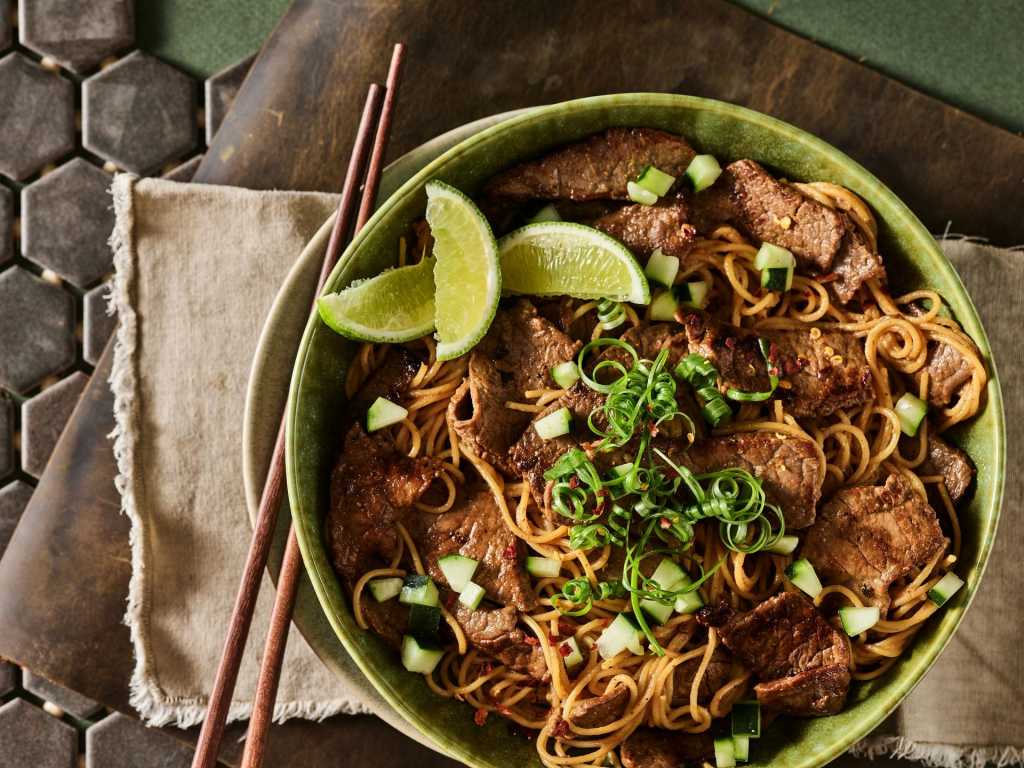
Enough plant protein for now, time for something different. Beef Pasta with Asian Peanut Sauce is an Asian-Italian fusion plate that shouldn’t work on paper but absolutely does. Thin strips of American Beef get a quick sear in teriyaki sauce before joining spaghetti and cucumber in a peanut sauce that ties it all together, with the cucumber’s zesty crunch cutting right through the richness so the hearty flavor really sticks with you.
Caramelized Finish
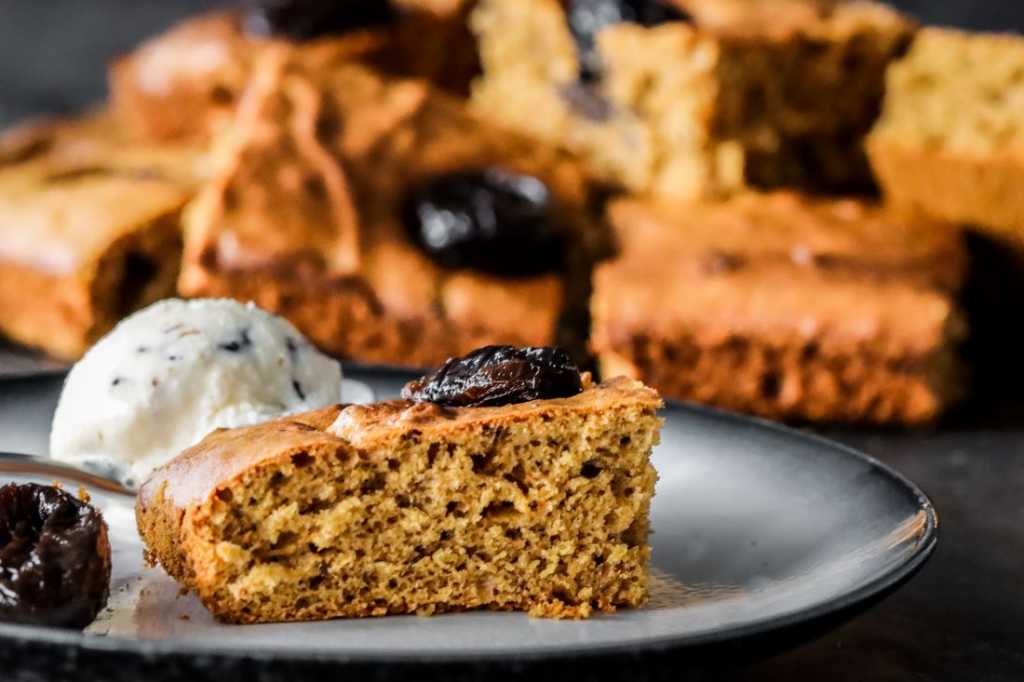
After something that hearty, dessert earns its place. The California Prunes and Peanut Butter Traybake is a dense, fudgy bake with a hit of espresso running through it. It’s the kind of thing that works solo with a coffee, or, much like the Italians treat a digestivo, with a small, strong shot of espresso after dinner to help the stomach settle, not just at midday.
Peanut Time Out
And that’s just a handful of the ways peanuts show up once harvest season rolls around. These recipes are only a small selection of what’s out there.,More peanut-featuring dishes are available on the DelicioUS! website. Still need that last little nudge to fully get on board with peanut butter? Give this a watch, it might be exactly what kicks the craving into gear. Then come back and put one of these recipes to work for the start of harvest season.